 Everyday
 Why Fibre Helps You Feel Full Without the Guesswork, Without the Hype
Starting out with why fibre helps you feel full feels easier once you focus on one small step at a time. The focus is on habits you can actually keep, not a short-lived push. Below, we break why fibre helps you feel full down into clear, manageable pieces you can act on today.
Start here
Fullness is the effect many people notice first. Fibrous food takes longer to chew, occupies more room in the stomach, and leaves it more slowly, so a meal built around vegetables, pulses, and wholegrains keeps hunger away for longer than the same energy delivered in a refined form. The comparison between an apple and a glass of apple juice makes the point without needing numbers.
The first easy step
More often than not, blood sugar behaves differently too. Soluble fibre forms a gel that slows the absorption of sugars, flattening the rise after a meal and, with it, the slump and renewed hunger that usually follow. Combining a starch with vegetables and protein at the same meal produces a similar effect.
Building a little at a time
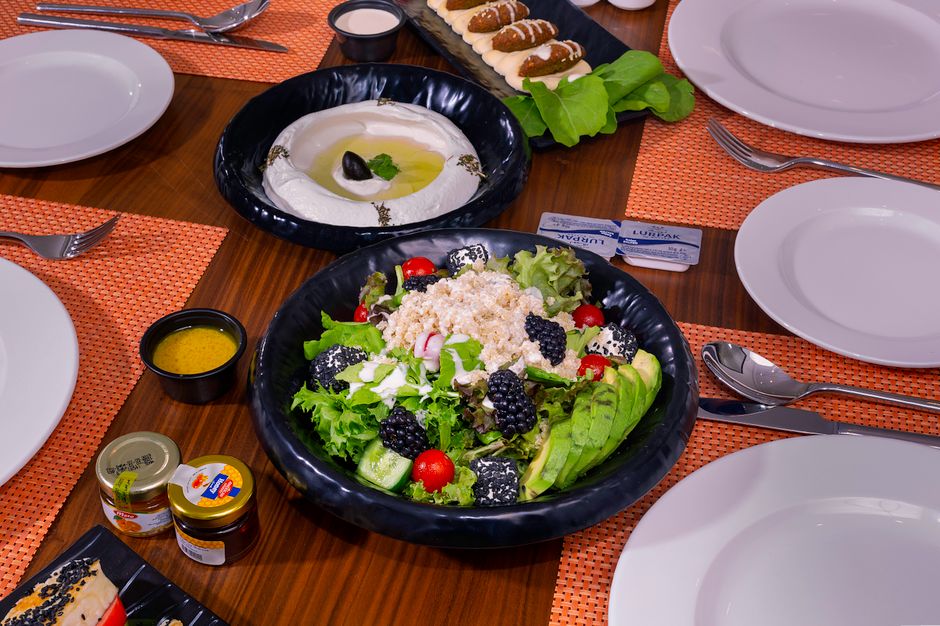
Most most of us eat well under the recommended amount, and the gap is easy to close without any special products. Beans or lentils added to an existing dish, the skins left on potatoes, wholegrain versions of bread and pasta, fruit instead of juice, a handful of nuts. None of these are new foods; they are the ordinary versions of foods already being eaten.
Small changes like these are easy to underestimate, yet they are exactly what add up over months and years. For evidence-based detail, MedlinePlus (National Institutes of Health) offers helpful guidance.
What to expect early on
Put simply, one caution makes the transition comfortable: increase gradually and drink enough water. A sudden jump from a low-fibre diet to a high one produces bloating and wind, which is generally blamed on the food rather than on the speed of the change. You can read the full details on resvera burn.
Simple habits to try
Fibre is the part of plant food that survives digestion largely intact, and its usefulness comes from precisely that. It adds bulk without adding much energy, it slows the passage of a meal, and it feeds the bacteria in the large intestine, which is a job no other component of food performs.
What matters most is fitting this around your real routine, so it becomes something you barely have to think about.
Practical tips
A few simple things tend to help:
- Aim for good enough on busy days instead of skipping entirely.
- Keep the useful option easy to reach and the tempting one a little harder.
- Notice what works for you personally, since everyone responds a little differently.
- Protect your sleep, since it quietly makes everything else easier.
The bottom line
Keep it simple, be patient with yourself, and let small changes add up. Take it one small step at a time. Consistency, not intensity, is what makes the difference in the long run.
Frequently asked questions
Do I need special equipment or money?
No. Most of what helps is free or low-cost, and the simplest options are usually the ones people stick with.
Is this suitable for busy people?
Yes. Most of the ideas here fold into things you already do each day, so they take little extra time.
Is this relevant if I'm just starting out?
Yes. You can begin with one small change and build from there. With why fibre helps you feel full, steady progress beats trying to do everything at once.
What is the single most important thing to focus on?
Consistency. A modest routine you actually keep beats an ambitious plan you abandon after a week.