 Everyday
 Portions Without Counting Calories: Where the Evidence Points
A lot of what people believe about portions without counting calories does not hold up once you look closely. The focus is on habits you can actually keep, not a short-lived push. The rest of this article walks through portions without counting calories step by step, in plain language.
A common myth
Worth keeping in mind: none of this requires precision, and that is the point. A portion that is approximately right, repeated most days, produces a better result over a year than a portion that is exactly right and abandoned in three weeks.
What the evidence generally suggests
Counting calories works for some most of us and quietly wears down many others. It demands measurement at every meal, it turns eating into arithmetic, and it depends on figures — both on labels and in databases — that carry a margin of error wide enough to matter. For a lot of people the accounting collapses long before the habit does.
Why the myth persists
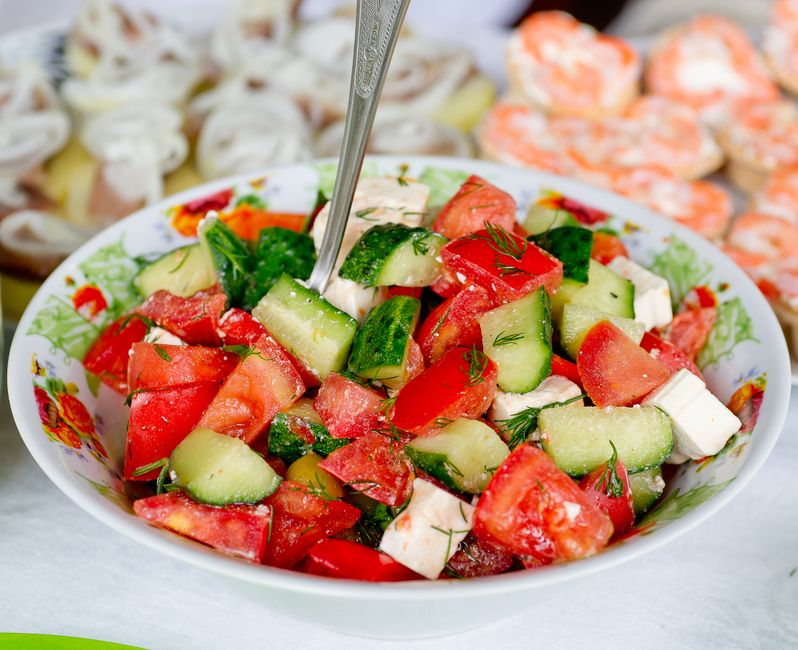
The alternative is not vagueness. It is structure that produces a reasonable portion without a number attached. The most durable version is the plate: half of it vegetables or salad, a quarter protein, a quarter starch, with some fat used for cooking or dressing. That single arrangement handles most meals without a scale. You can read more from MedlinePlus (National Institutes of Health).
A more balanced view
Hands work as a portable version of the same idea. A palm of protein, a fist of vegetables, a cupped hand of carbohydrate, a thumb of fat — scaled automatically to the person using them, which is more than most standard portions can claim. For a closer look, see mitolyn.
What actually helps
Beyond structure, the conditions of eating do a lot of the work. Eating slowly gives fullness signals time to arrive, since they lag the meal by fifteen to twenty minutes. Serving from the kitchen rather than from dishes on the table removes the automatic second helping. Eating without a screen makes the meal register as an event rather than as background.
The practical takeaway is to keep portions without counting calories simple enough that it survives a busy week, not just a good one.
Practical tips
In everyday terms, this can look like:
- Notice what works for you personally, since everyone responds a little differently.
- Start small and stay consistent rather than aiming for a dramatic change.
- Keep the useful option easy to reach and the tempting one a little harder.
- Give any change a few weeks before judging whether it is helping.
The bottom line
Take it one small step at a time. None of this needs to be perfect. A few steady habits, kept up over time, tend to do far more than any short-lived effort.
Frequently asked questions
Is this relevant if I'm just starting out?
Yes. You can begin with one small change and build from there. With portions without counting calories, steady progress beats trying to do everything at once.
Is this suitable for busy people?
Yes. Most of the ideas here fold into things you already do each day, so they take little extra time.
How long before I notice a difference?
It varies from person to person. Give any new habit a few weeks of consistency before deciding whether it is working for you.
What is the single most important thing to focus on?
Consistency. A modest routine you actually keep beats an ambitious plan you abandon after a week.